SCIENCE
Psychology · environmental behaviour · wellbeing · ecological research
 ARALAR
A multidisciplinary programme connecting established research, lived experience and place-based inquiry.
How do people experience, understand and relate to the living world—and can that relationship be meaningfully strengthened?
We investigate this question for the wellbeing of people and the places they inhabit, with particular attention to young people and university students.
Nature connectedness · Nature relatedness · Human–nature relationships · Relational values · Wellbeing · Nature-Based Solutions
Existing research has developed and tested measures of nature connectedness and relatedness. Aralar asks how these approaches might work alongside experiential, cultural and place-based research.
We are researching whether and how relationships develop, change and translate into action.
Research foundations: Mayer & Frantz, 2004 · Nisbet et al., 2009.
Research framework and evidenceWe are developing a framework that brings these perspectives into dialogue to investigate a multidimensional relationship.
Psychology · environmental behaviour · wellbeing · ecological research
Anthropology · sociology · culture · place
Sensory experience · reflection · outdoor learning · observation
Landscape · community · local and traditional ecological knowledge
Education · organisations · Nature-Based Solutions · regenerative practice
An evolving research instrument exploring dimensions of people’s relationship with the living world.
The instrument is not yet validated. Detailed items and scoring methods are not published here.
Three domains to investigate, with outcomes assessed rather than assumed.
How relationships with nature relate to psychological and social wellbeing.
How experiential and place-based learning can influence environmental understanding and behaviour.
Whether stronger relationships support care for place and participation in Nature-Based Solutions.
A study of 19,806 adults in England found that at least 120 minutes of recreational nature contact per week was associated with better self-reported health and wellbeing.
White et al. · 2019 ↗A review of 14 studies with college-aged participants reported improvements in several stress and wellbeing markers after time in nature compared with urban settings. Findings varied across measures and studies.
Meredith et al. · 2020 ↗A meta-analysis involving 13,237 participants found a positive association between nature connection and pro-environmental behaviour (r = 0.42).
Whitburn et al. · 2020 ↗These are findings from published studies, not Aralar’s outcomes. Associations do not establish causation. No universal benefit or five-minute effect is claimed.
Mendien Ahotsa brings university students into a relationship with mountains, communities and the living world.
The project is developing in the Basque Country. Five additional universities have expressed interest; academic roles and participation are being defined. We welcome researchers who want to deepen the questions, test the framework and help lead the next stage.
Aralar’s approach draws on five years of field inquiry across four continents. Its next step is to connect that lived experience with collaboratively designed research.
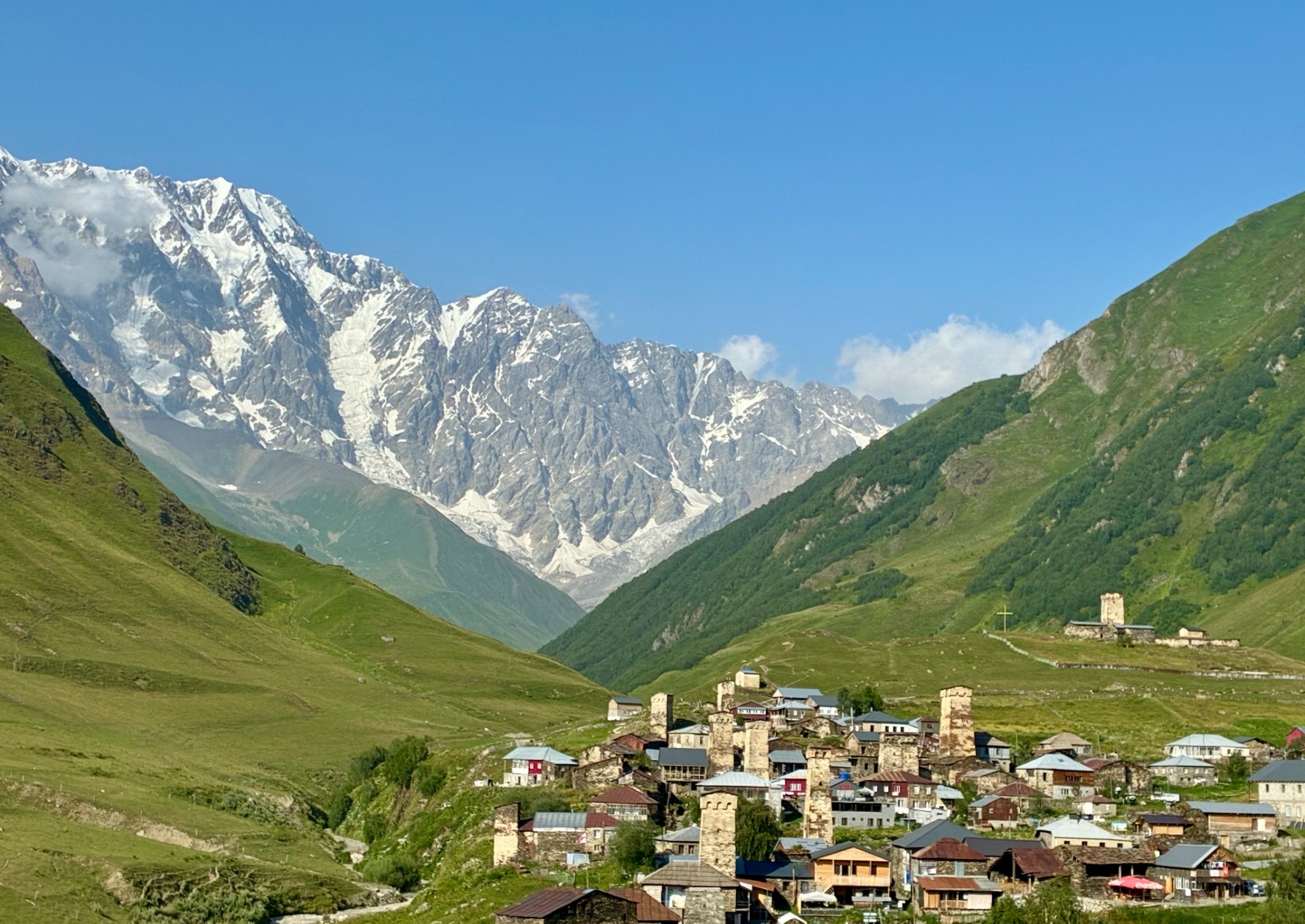
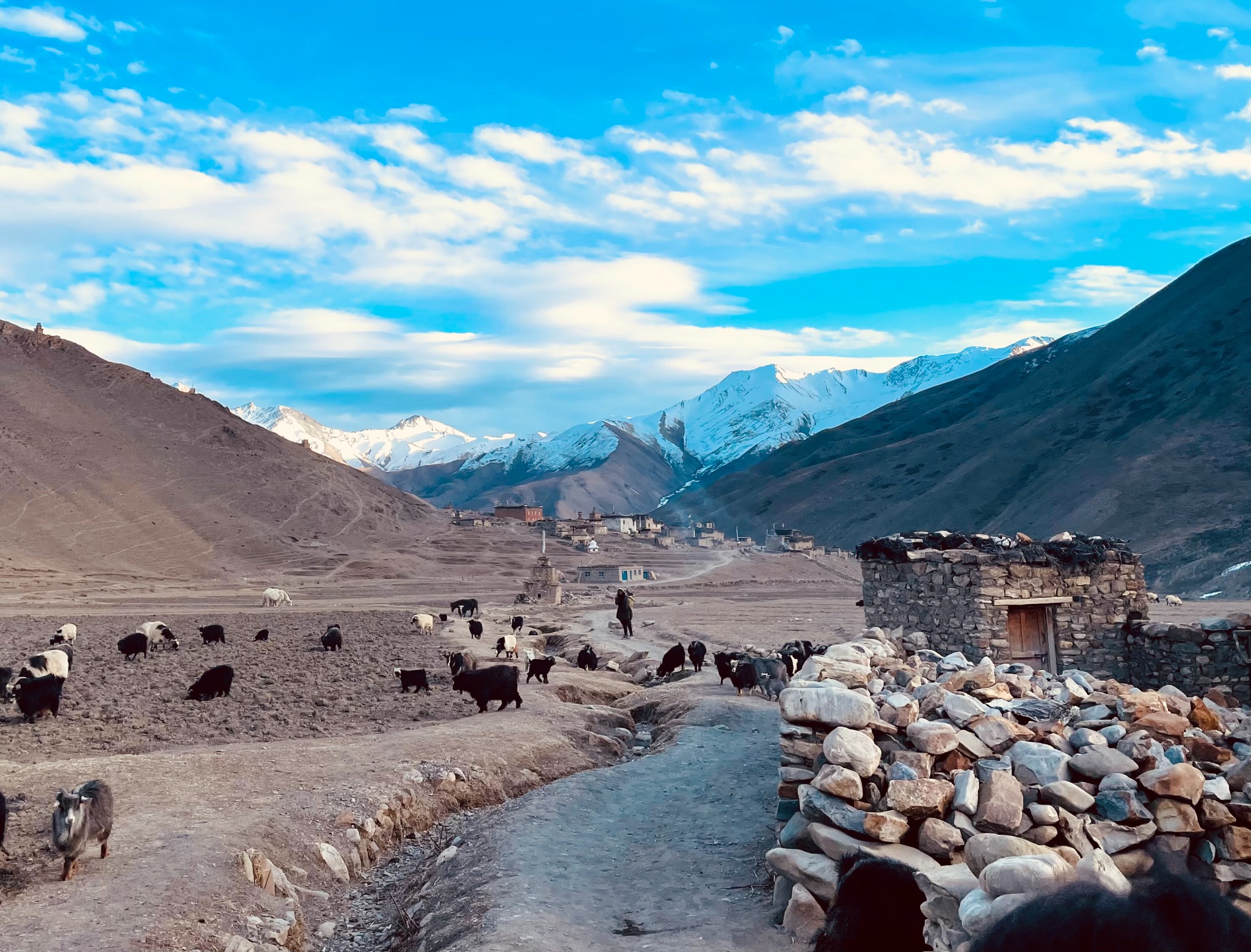
A place. A research question.
A programme to develop together.